Unfortunately for Japan, this was a harbinger of things to come. Bashiru sent a loose ball toward the goal that Kadowaki looked destined to catch, but he watched it slip through his gloves and into the net. Luck then gave way to the cheeky as Nigeria doubled their lead. Esther Stephen played a powerful pass forward that Umejiaku collected, controlled with her left foot before lobbing a delicate pass over Kadowaki.
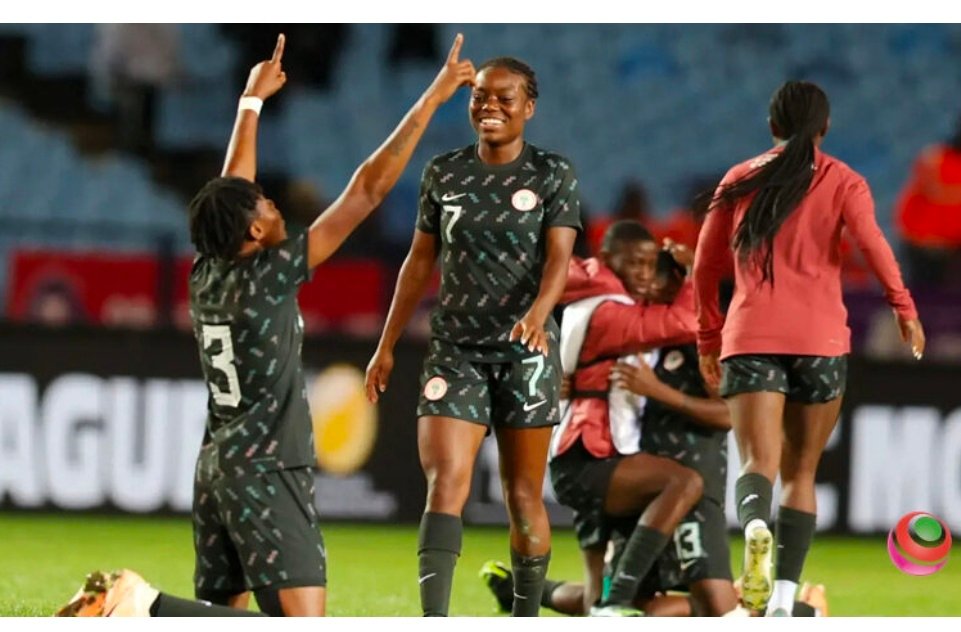
Japan looked for an immediate response when Nigerian goalkeeper Jane Ijirigho mistimed a punch that fell to Wara Shimizu, whose shot sailed over the crossbar. At the other end, the electric Umejiaku ran down the channel and lunged at Kadowaki, but the keeper made a superb save with her foot to challenge the number 17. Sadayoshi Shirai’s team nevertheless took control with ten minutes remaining, when substitute Anri Ito bravely headed a corner kick across the net for her namesake Fuki, who volleyed it into the net. However, it was not to be for the Japanese, as Nigeria celebrated a victory for their nation—and the continent—in Rabat.
“I feel good, I’m very happy. I thank God for everything. It was very difficult for us, but the coaches’ instructions made us keep our heads up and take everything as it came. We didn’t have to push for goals, just to keep ourselves up there, and we had to encourage each other on the pitch.”
Oluebube Umejiaku, Nigeria’s goalscorer
“First of all, I have to say that Nigeria were a very strong team. We understood their strengths, but there were times when they managed to slip behind our defense. Still, I think our players fought incredibly hard until the end, doing everything they could to deal with Nigeria’s speed and physical power. I also believe that if we had scored earlier, we would have had a better chance of winning the match. I want them [the Japanese players] to be proud of themselves. The way they fought until the end of this World Cup will have inspired many people, and I hope they can take confidence from that.”
Sadayoshi Shirai, Japan coach